A Solo Story | Kruger & Lions
S28, The Kruger National Park
I love a story from the bush. I have dozens of them—perhaps several dozen! This story is probably a good place to start, because it's really where I began to fall in love with the Kruger National Park.
Claire and I had visited previously, back in 2010, but the sightings hadn't lived up to the hype. Naively, I dismissed the Kruger in favour of Hluhluwe-iMfolozi Park, another remarkable wildlife reserve in KwaZulu-Natal, South Africa, where I confidently declared that the sightings were better.
As a result, it took an incredible six more years before I returned to the Kruger. This time, it was a solo trip. After a particularly stressful and demanding season in the corporate world, I was fortunate enough to spend a week at my parents-in-law's timeshare at Ngwenya Lodge—a chance to unplug, slow down, and reset.
I left home around midnight and made the roughly eight-and-a-half-hour drive north via the N11 towards Malelane Gate. Armed with an audiobook and a sense of anticipation, the journey remains my second favourite road trip to the Kruger, surpassed only by the first trip Claire and I took with our children in 2018.
For the purpose of this story, I'll focus on a single sighting, although I intend to share many more from this trip in future posts.
On the third day of my visit, I entered through Crocodile Bridge Gate and headed towards Vurhami Bridge. After scanning the dam wall for any predators, and finding none, I crossed the bridge and shortly thereafter turned right onto the S28. Perhaps—no, certainly—my favourite road in the southern region of the park.
It didn't start out that way. That honour originally belonged to the S25. But over the years, this dirt road leading towards Lower Sabie has delivered remarkable sightings of lion, cheetah, and leopard. In fact, I've seen all three predators feeding on kills along this stretch, as well as countless other memorable encounters.
On this particular trip, no more than thirty minutes after turning off the tar and onto this dusty highway, I found myself in a traffic jam that was already beginning to form.
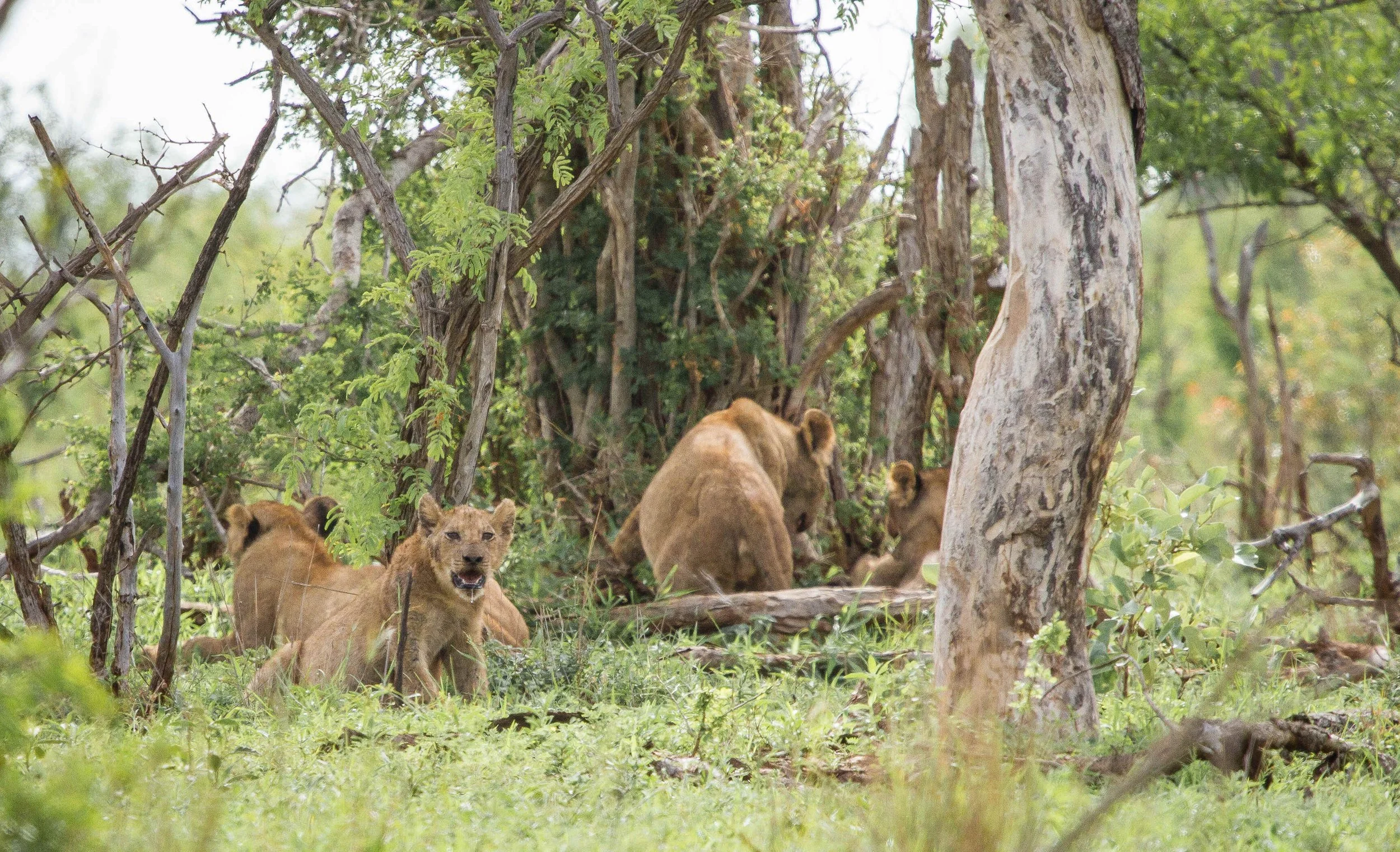
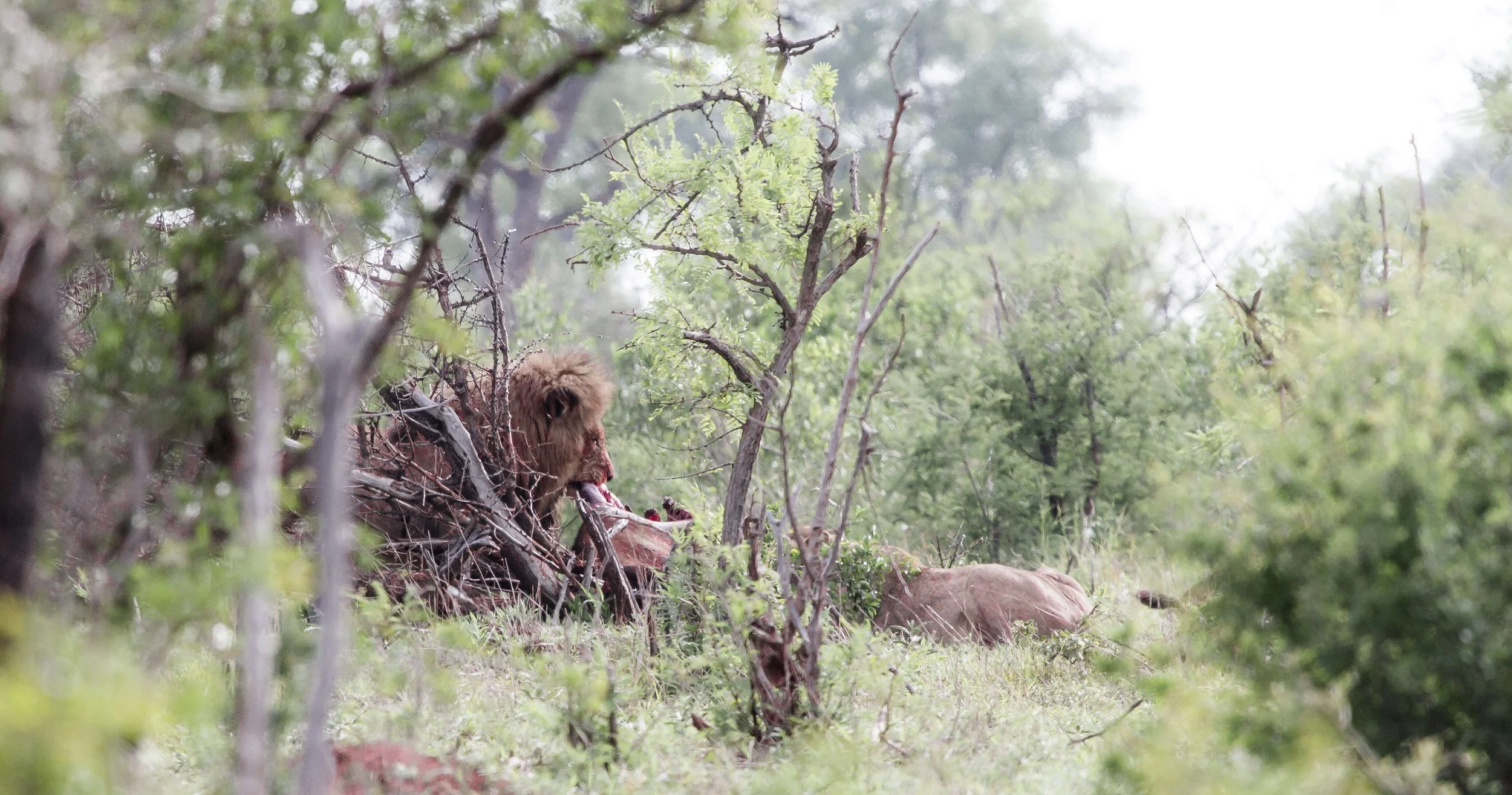
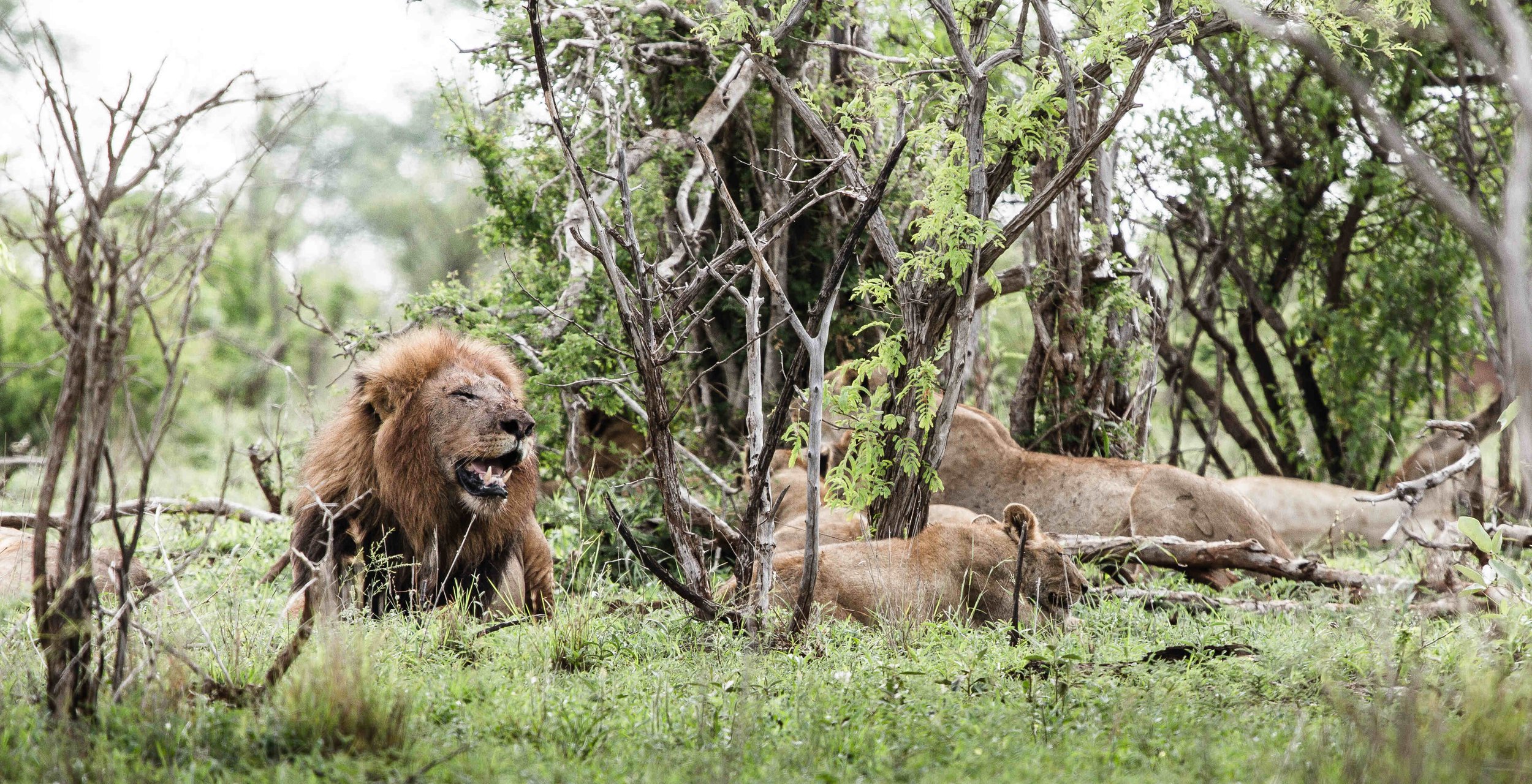
About fifty metres off to the right was a pride of lions that had brought down what appeared to be a buffalo.
As always, that familiar surge of adrenaline kicked in—the brief moment between spotting something extraordinary and scrambling for your camera gear to capture the shot that says, "I was there."
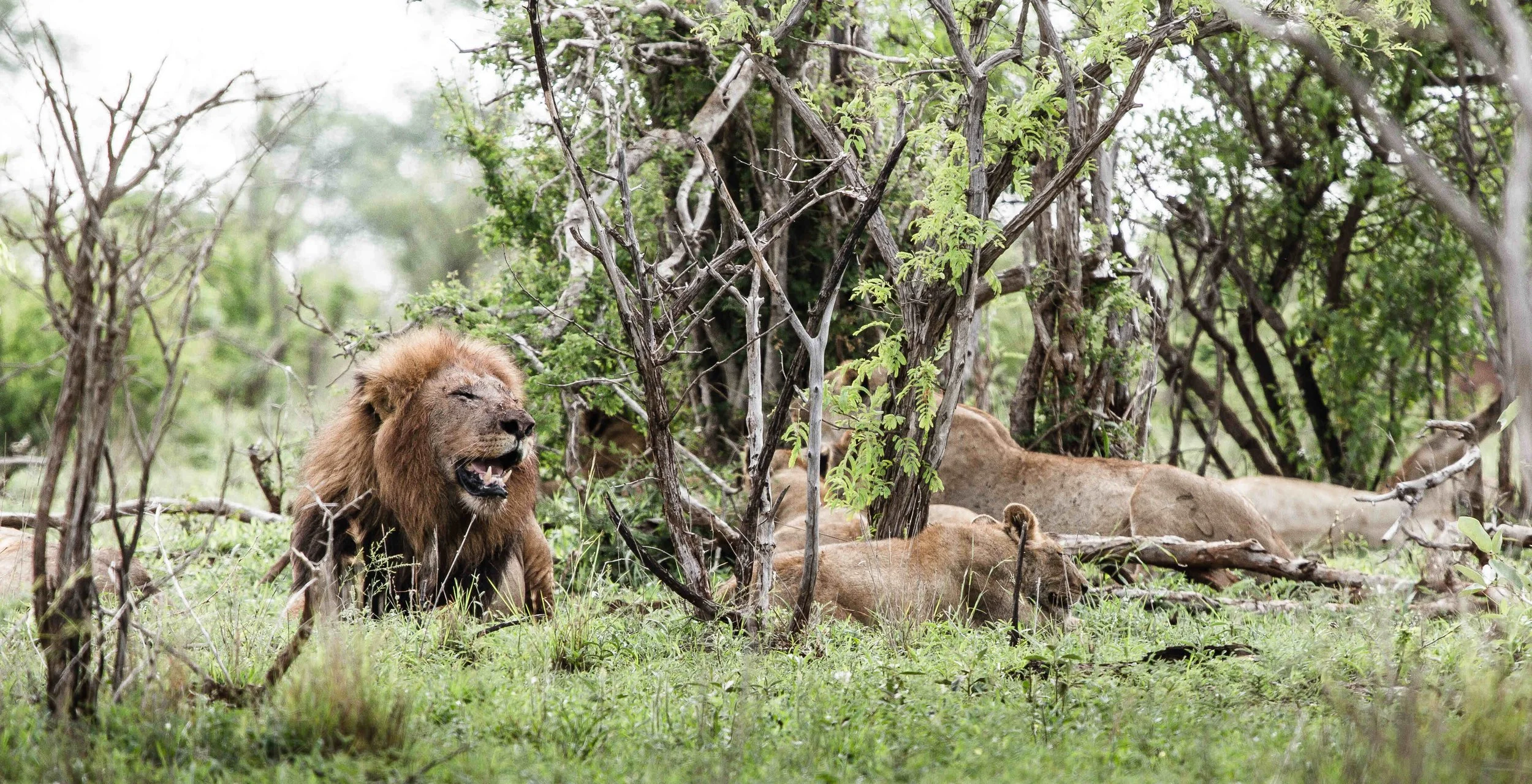
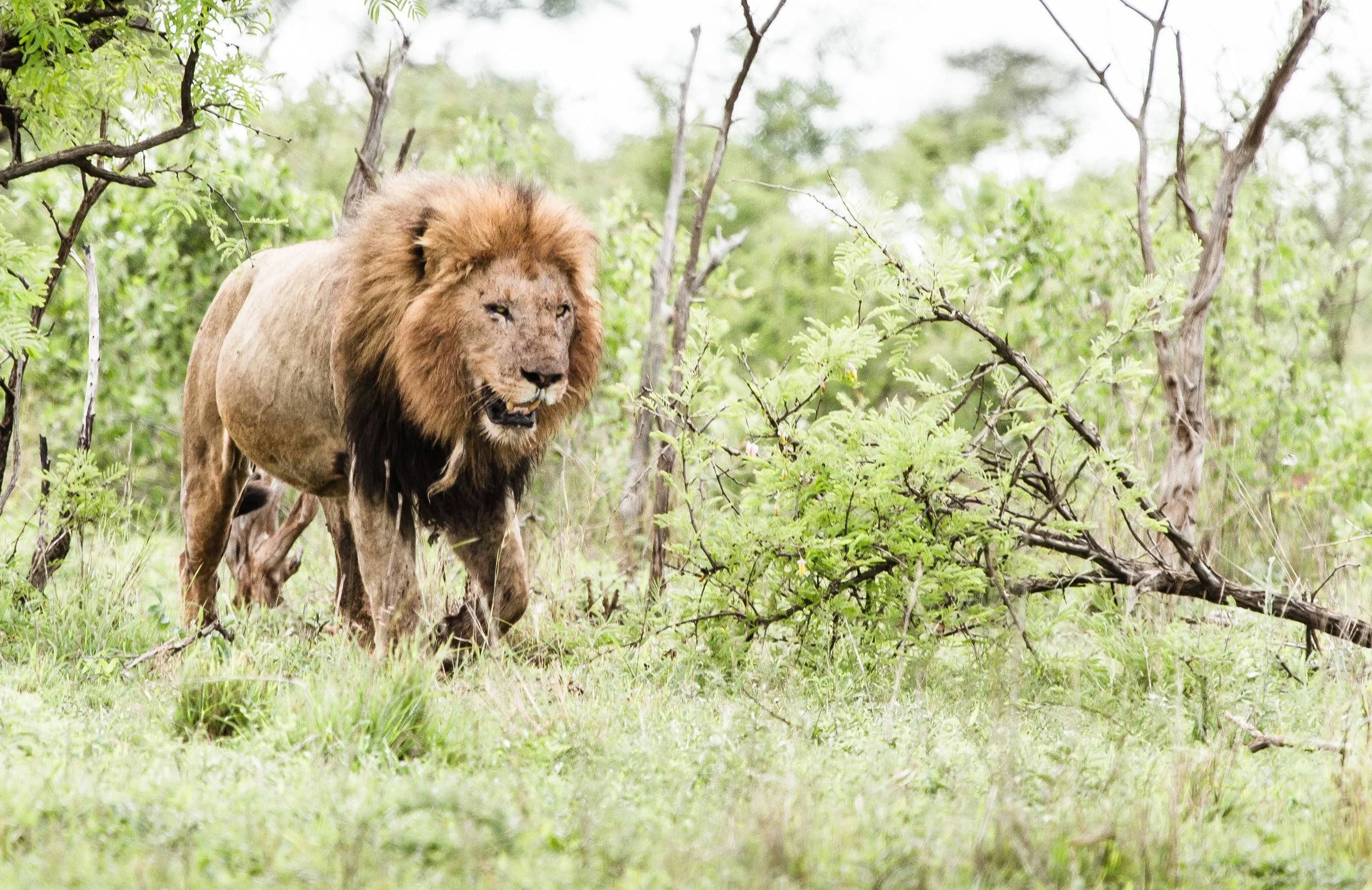
Frantically checking that my shutter speed and ISO settings weren't still configured from the previous evening, I fired off dozens of frames while the lions casually took turns at the dinner table. Between feeds, they would flop down in the shade, resting and sleeping before returning for another meal.
The slow pace of the scene was infectious.
With nowhere else to be and nothing else demanding my attention, I found a comfortable parking spot, opened the sunroof and all four windows, reclined my seat, kept my camera at the ready, and loaded up my audiobook—11/22/63 by Stephen King, a phenomenal book that I highly recommend.
And so I sat there for another four hours.
Cars came and went. Lions got up, fed, slept, and repeated the cycle.
This moment left a lasting impression on me because, as the sun slowly tracked across the sky, I was able to simply be present. There were no schedules to keep, no children to entertain, no rush to get to the next sighting or find the nearest toilet stop. I just sat and observed, taking in the details of the pride and the way they interacted around the kill.
Nothing particularly dramatic happened after that. The sighting didn't evolve into one of those "you won't believe what happened next" stories.
But for me, that's exactly why it stayed with me.
Oddly enough, despite the violent events that had preceded it, the overwhelming feeling was one of peace. Watching creation simply go about its daily rhythms set the tone for the rest of my trip.
I've shared a few of the photographs from that day below. For the sake of nostalgia, I haven't edited or touched them up since the day they were taken.