Why Local Expertise Can Make All the Difference When Planning an African Safari
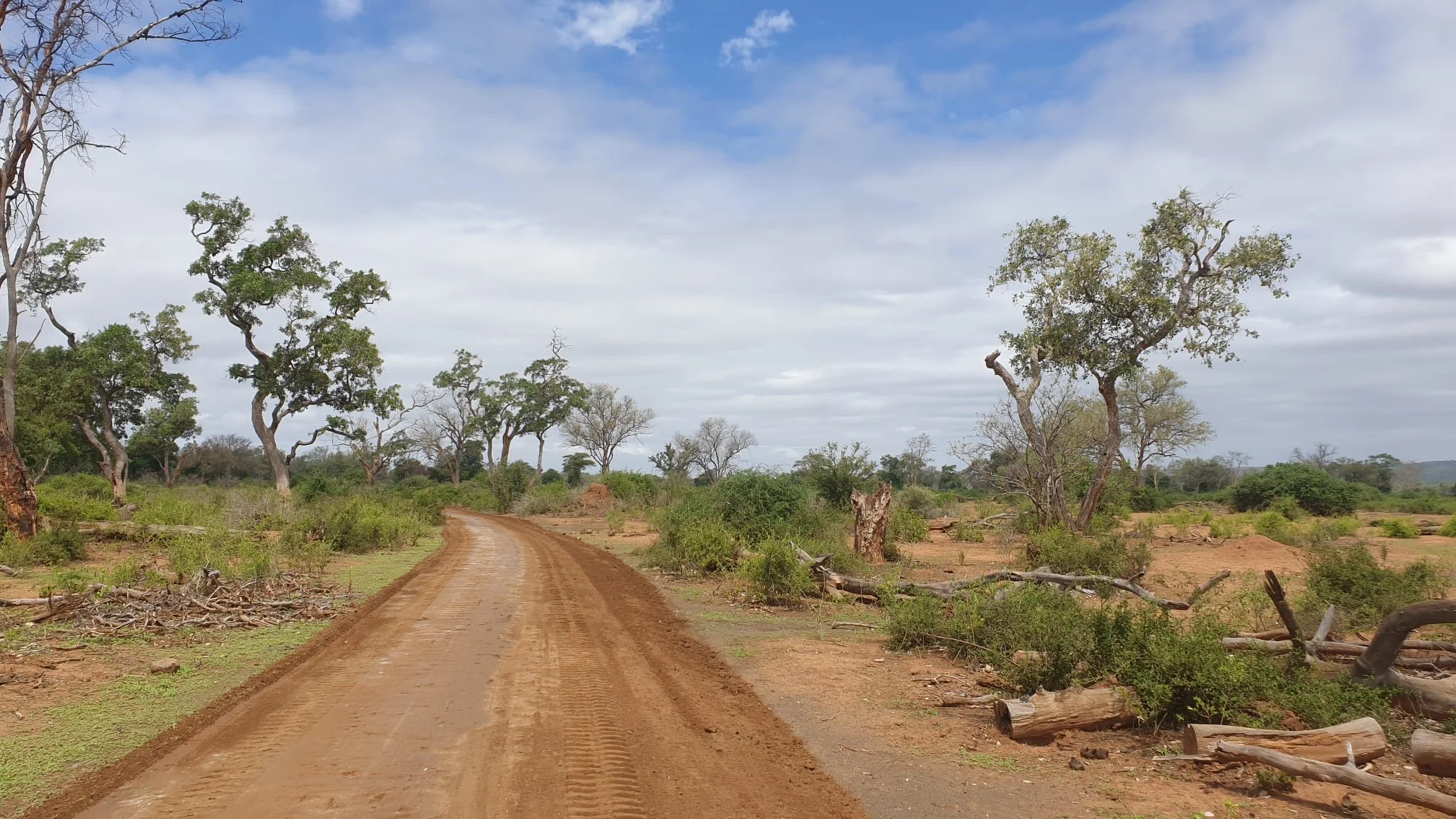
Planning an African safari is one of the most exciting trips you’ll ever undertake.
For many people, it’s a once-in-a-lifetime journey. Years of dreaming, months of planning, and significant investment all come together in the hope of creating memories that will last forever.
Naturally, you want to get it right.
The internet has made it easier than ever to book accommodation. With a few clicks you can reserve a luxury lodge, arrange flights and even organise transfers. On the surface, planning a safari appears straightforward.
But after spending years travelling throughout Southern Africa, visiting a number of lodges and reserves, and experiencing them across different seasons, I’ve learnt that booking accommodation isn’t always easy as expected.
Southern Africa is Bigger Than Most People Realise
One of the biggest misconceptions I see, particularly from international travellers, is underestimating just how vast Southern Africa really is.
South Africa alone covers more than 1.2 million square kilometres. To put that into perspective, it’s almost five times larger than the United Kingdom, and roughly twice the size of Texas.
Distances between destinations are often far greater than they appear on a map, and every region offers something completely different.
The safari experience in the Greater Kruger isn’t the same as Botswana’s Okavango Delta. The wide open grasslands of the Eastern Cape feel very different to the dense bushveld of Kwa-Zulu Natal. Even neighbouring private game reserves can provide remarkably different experiences.
It’s also easy to compare two beautiful lodges online and assume they’ll offer a similar safari. Often they don’t.
The difference between two lodges that look almost identical on a website can be the difference between watching a leopard stroll past your vehicle on your very first game drive, or spending three days wondering why everyone else’s safari photos looked so much better.
The secret isn’t always choosing the most luxurious lodge.
It’s choosing the right destination for what you want to experience.
Every Traveller Wants Something Different
One of the questions I ask every guest is surprisingly simple.
“What do you hope to see?”
The answer tells me almost everything I need to know.
Some people have dreamed of seeing a leopard ever since they were children.
If that’s your priority, I’d almost always recommend one of the private reserves that make up the Greater Kruger ecosystem. Places like Sabi Sand have earned a worldwide reputation for extraordinary leopard sightings. Decades of conservation, experienced guides and habituated wildlife have created some of the best opportunities anywhere in Africa to observe these elusive cats.
Others simply want to stand quietly as a breeding herd of elephants passes a few metres from the vehicle.
For elephant enthusiasts, destinations like Chobe in Botswana are hard to beat, with some of the largest elephant populations on the continent. Equally, many areas of the Greater Kruger offer exceptional elephant encounters throughout the year.
Then there are birders.
For them, the conversation changes completely. We start talking about seasonal migrants, endemic species, habitats and target birds rather than the Big Five. A destination that excites a keen birder may not necessarily be the first choice for someone whose dream is to photograph lions.
Photographers have their own priorities too.
Good light, open landscapes, experienced guides who understand positioning, flexible game drives and fewer vehicles at sightings can make an enormous difference to the quality of your images.
Families travelling with young children need something entirely different again. Child-friendly activities, flexible meal times, shorter game drives and accommodation designed with families in mind become far more important than ticking off every species on a checklist.
And for honeymooners?
Privacy, beautiful suites, exceptional service, romantic settings and unforgettable sundowners often matter just as much as the wildlife itself.
This is why matching people to the right destination is often far more important than simply choosing the most expensive lodge.
No two safaris should ever look exactly the same, because no two travellers do.
Timing Matters More Than People Realise
Choosing where to go is only half the equation.
Knowing when to go can completely transform your experience.
I’ve visited many reserves multiple times throughout the year, and it’s remarkable how differently the same destination can feel from one season to the next.
Travel during the wrong time and you may unknowingly arrive in the middle of peak holiday crowds, experience heavy summer rains, or find wildlife more difficult to locate as vegetation becomes thick and water is abundant.
Visit a few months later and that exact same reserve can feel like a completely different place.
As water sources become scarce during the dry season, animals naturally congregate around rivers and waterholes. Bushveld that was once lush and green opens up dramatically, making wildlife much easier to spot.
Predator activity often increases as prey becomes more concentrated.
Photographers enjoy cleaner backgrounds and softer winter light.
Birders may choose the summer months when migratory species arrive and breeding plumage is at its best.
Some travellers specifically want to witness newborn impalas, zebras and wildebeest, while others hope to experience the drama that predators bring during these periods.
There isn’t a universally “best” time to visit Africa.
There is simply the best time for your safari.
Not All Game Reserves Are the Same
Another common misconception is that every safari offers roughly the same experience. Nothing could be further from the truth.
Some reserves focus on exclusivity, where only a handful of vehicles may be out on the reserve at any one time, and only two vehicles per sighting.
Others have built reputations around exceptional guiding, where decades of local knowledge elevate every game drive into something memorable.
Some destinations are a photographer’s dream, with open terrain, beautiful light and incredible predator sightings.
Others are perfect for families taking their very first safari, offering relaxed schedules, educational activities and an introduction to Africa that’s both exciting and accessible.
Even the landscape changes everything.
Dense bushveld creates a completely different experience to wide open savannah. River systems, mountains, forests and wetlands all influence not only what wildlife you’ll see, but how you’ll experience it.
These are the kinds of details that brochures rarely explain.
They’re things you learn by actually travelling, returning, comparing, and spending time in these places.
Local Relationships Matter
One of the greatest advantages of working with someone based here isn’t simply knowledge, it’s the relationships they have.
Over the years I’ve had the privilege of visiting many exceptional lodges, spending time with guides, meeting lodge managers and building relationships throughout the safari industry.
Those relationships mean I hear the conversations that never appear on booking websites.
I know when a lodge has completed a spectacular renovation or an exciting new wildlife activity has been created before it’s widely known.
I’m often aware of seasonal offers or availability that can provide exceptional value, and, perhaps most importantly, I know which properties consistently deliver the experience they promise.
If I recommend somewhere, it’s because I genuinely believe it will suit what you’re looking for—not because it happens to have the biggest marketing budget or the prettiest brochure.
Saving Money Isn’t Always About Finding the Cheapest Lodge
One of the biggest misconceptions about using a safari planner is that it makes the trip more expensive.
In reality, good advice often saves money as travellers could spend thousands on beautiful lodges that simply weren’t the right fit for them. Local Safari planners often know about special offers otherwise not known by travellers, especially those from overseas.
A family wanting relaxed game drives and child-friendly experiences may be disappointed at a lodge designed around serious photographers or high touch service.
A couple dreaming of frequent predator sightings might unknowingly book an area where thick summer vegetation makes wildlife far harder to find.
Someone passionate about birds could miss an entire migration season simply because nobody advised them on timing.
These aren’t cheap holidays and getting it wrong can be incredibly expensive and frustrating.
Getting it right however is priceless and offers memories and photos that last a lifetime.
Why I Started Ritson Safaris
For me, this has never been about simply booking accommodation. It’s about sharing a part of Africa that has shaped my own life.
I’ve spent years exploring Southern Africa, returning to the Kruger time and again, discovering new private reserves, photographing wildlife, camping under African skies and continually learning from some of the region’s most experienced guides and conservationists.
Every journey teaches me something new and every lodge visit gives me another perspective of how to experience Africas incredible and diverse wildlife.
Every conversation with a guide deepens my understanding of the places I recommend and the animals that inhabit these reserves.
That’s why I continue visiting properties, even when I have no guests travelling there that week. It’s why I enjoy educational visits, why I spend time getting to know the people behind the lodges, and why I believe firsthand experience can never be replaced by reading a brochure.
Whether you’re planning your very first safari, celebrating a honeymoon, travelling as a family, chasing a lifelong dream of photographing leopards, or simply looking to reconnect with nature, my role is the same.
To help you experience Africa in a way that’s right for you. Because the best safari isn’t about how much you spend—it’s about creating memories that you’ll still be talking about years after you’ve returned home.