
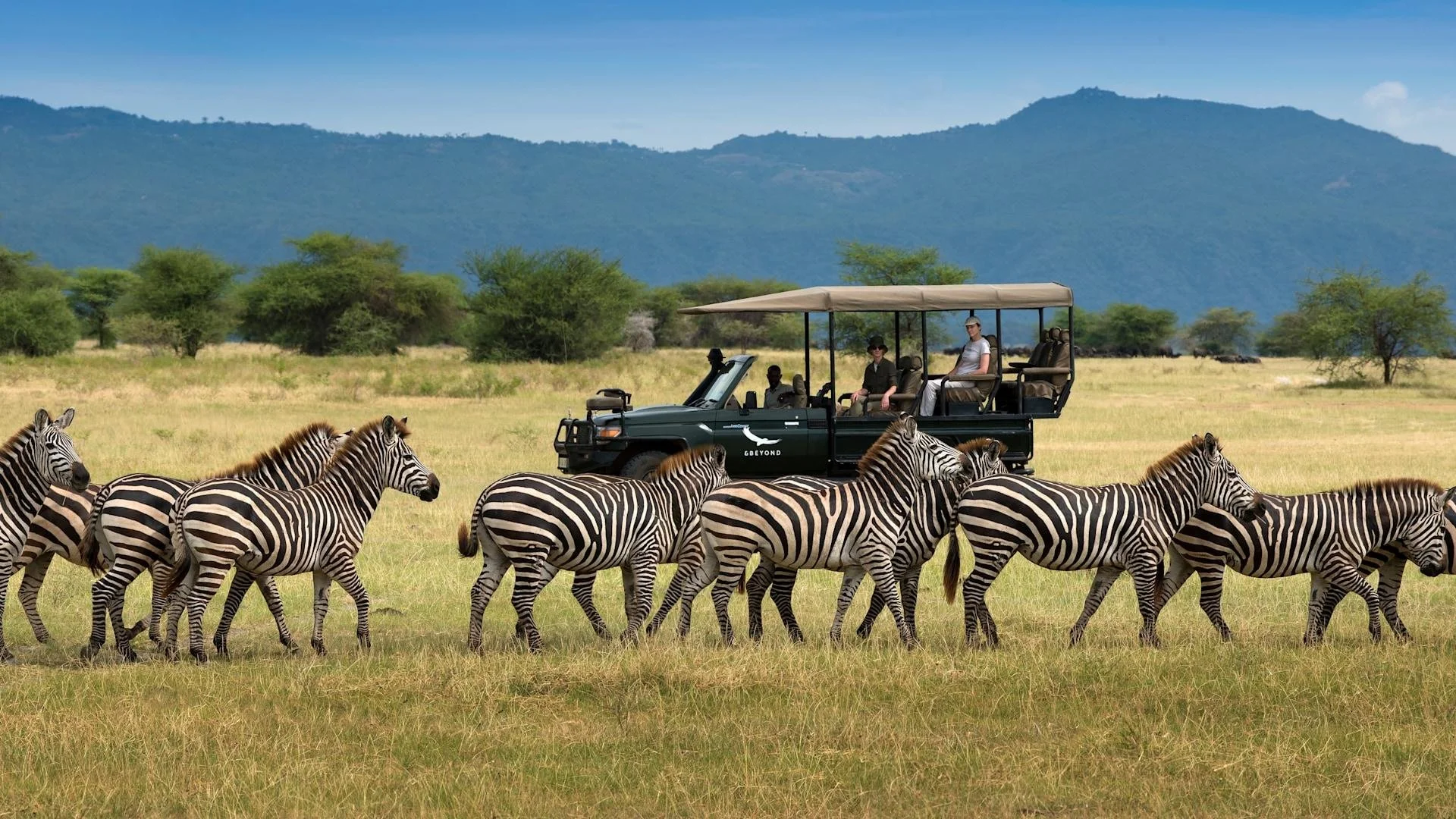
No two travellers are alike. Your safari should reflect your pace, interests, and expectations — never a template.
Every journey begins with understanding what draws you to the wild. From there, we design an experience shaped entirely around you.
Design Your Safari

-
Botswana
Vast, protected landscapes dominate the country, where wildlife moves freely across unfenced terrain and human presence feels minimal.
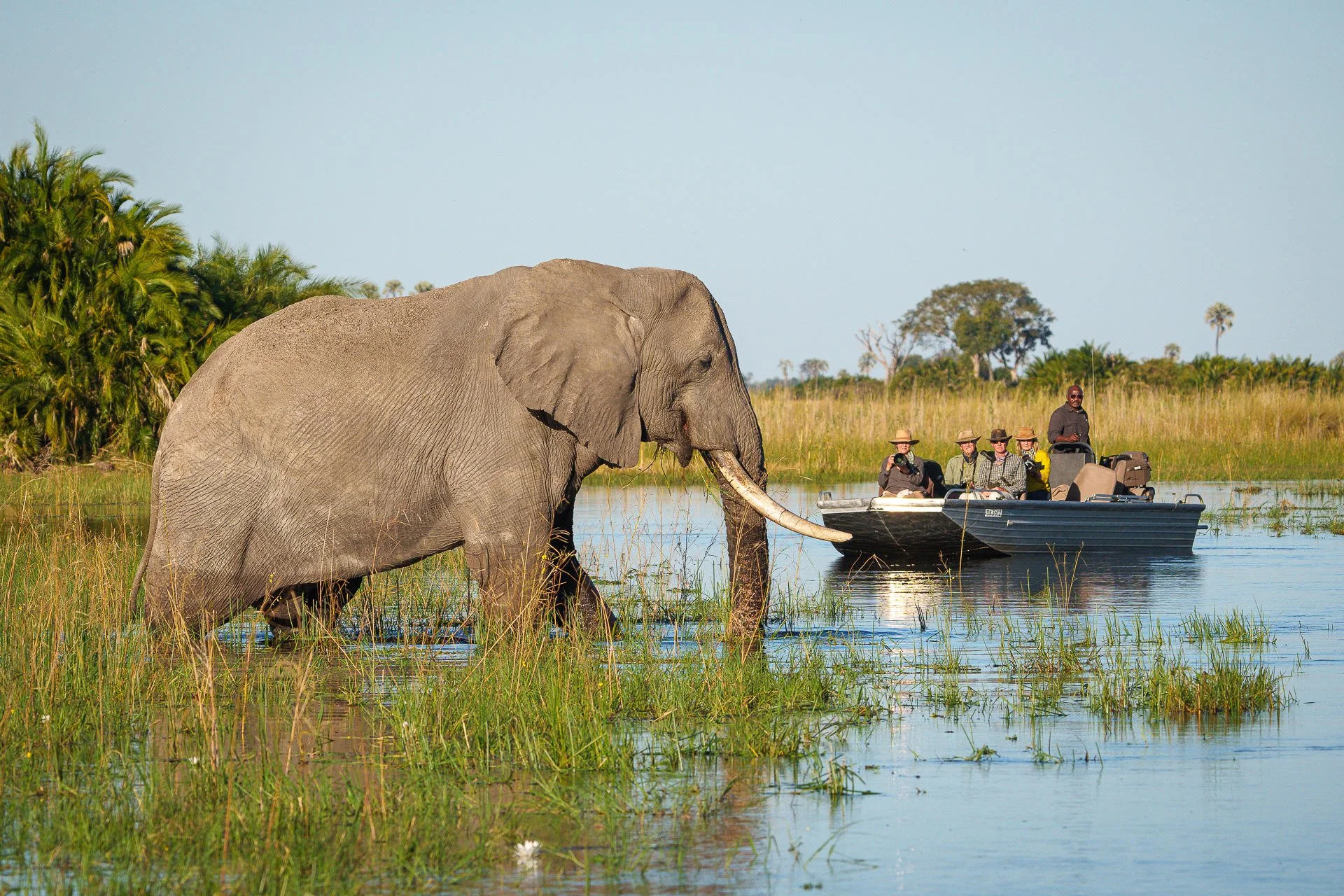
The Okavango Delta defines the experience — a seasonal inland oasis explored by mokoro and boat as much as by vehicle, with exceptional birdlife and predators adapted to life in the water. In the north, Chobe’s riverfront is renowned for its extraordinary elephant concentrations, best viewed from the water. Private reserves such as Linyanti and Selinda offer exclusivity and superb predator sightings, while the Makgadikgadi Pans deliver stark salt flats, habituated meerkats, and seasonal zebra migrations. For something more remote, the Central Kalahari reveals open horizons, desert-adapted wildlife, and striking black-maned lions.
Predominantly accessed by light aircraft, Botswana’s safari model prioritises space, privacy, and low visitor density — creating a wilderness experience that feels immersive, unhurried, and deeply authentic.
-
India
Here, tiger reserves sit within reach of ancient cities, sacred rivers, and architectural marvels, creating journeys that move seamlessly between wildlife and living history.
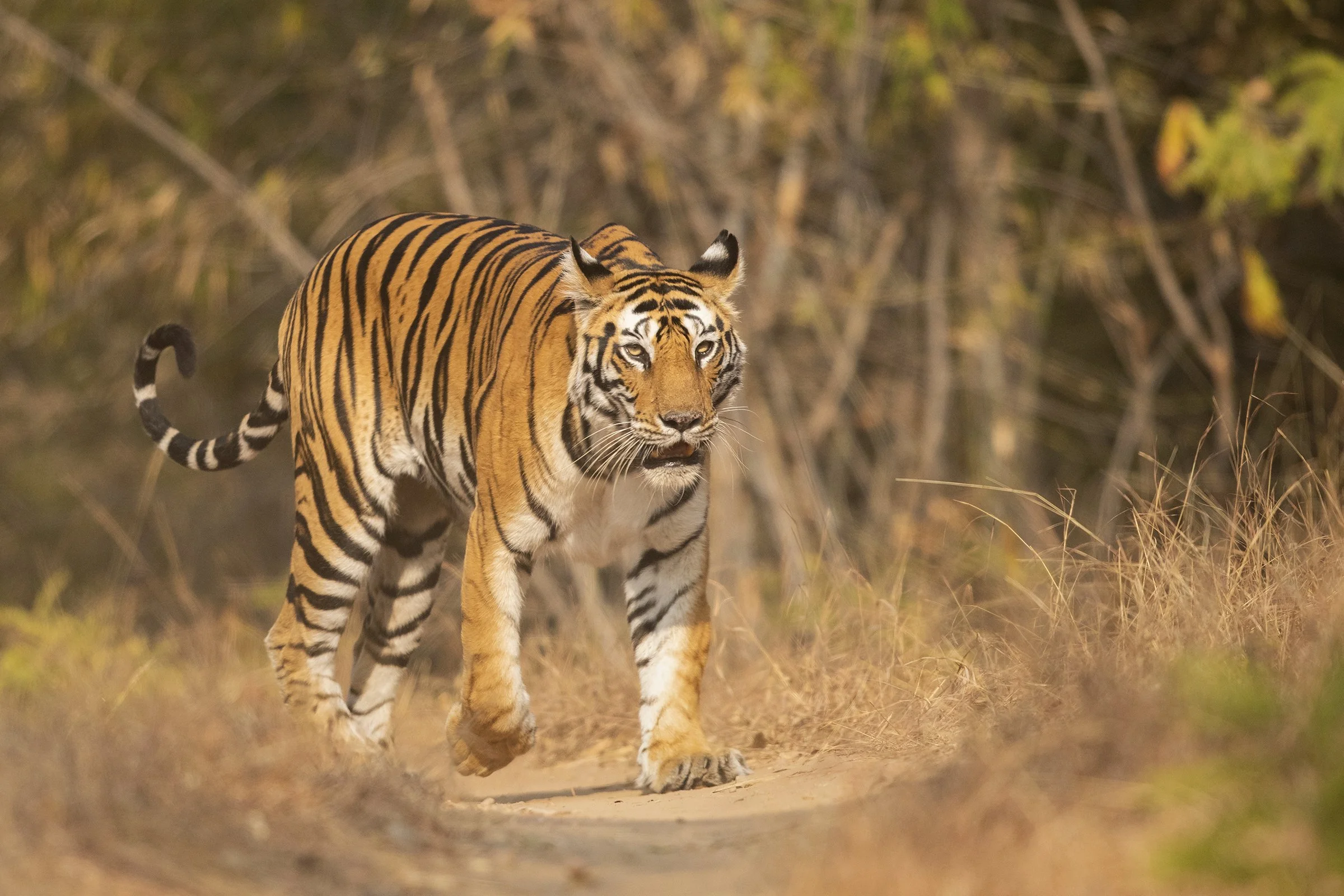
Central India’s forests — including Kanha and Bandhavgarh — offer some of the finest opportunities to encounter Bengal tigers in their natural habitat, while Ranthambore combines big-cat sightings with dramatic fort ruins rising above the jungle. In Assam, Kaziranga’s fertile floodplains shelter the world’s largest population of one-horned rhinoceroses, and in Gujarat, Gir remains the last refuge of the Asiatic lion. Further south, Periyar’s waterways and spice-covered hills provide a softer, more tranquil wildlife experience.
What sets India apart is the natural pairing of safari with culture — from Rajasthan’s palaces to the ghats of Varanasi and the backwaters of Kerala. The result is a journey that feels layered and immersive, where wildlife encounters are woven into a broader exploration of landscape, heritage, and tradition.
-
Kenya
Rolling savannas, volcanic terrain, and an Indian Ocean coastline combine to create one of Africa’s most iconic wildlife destinations.
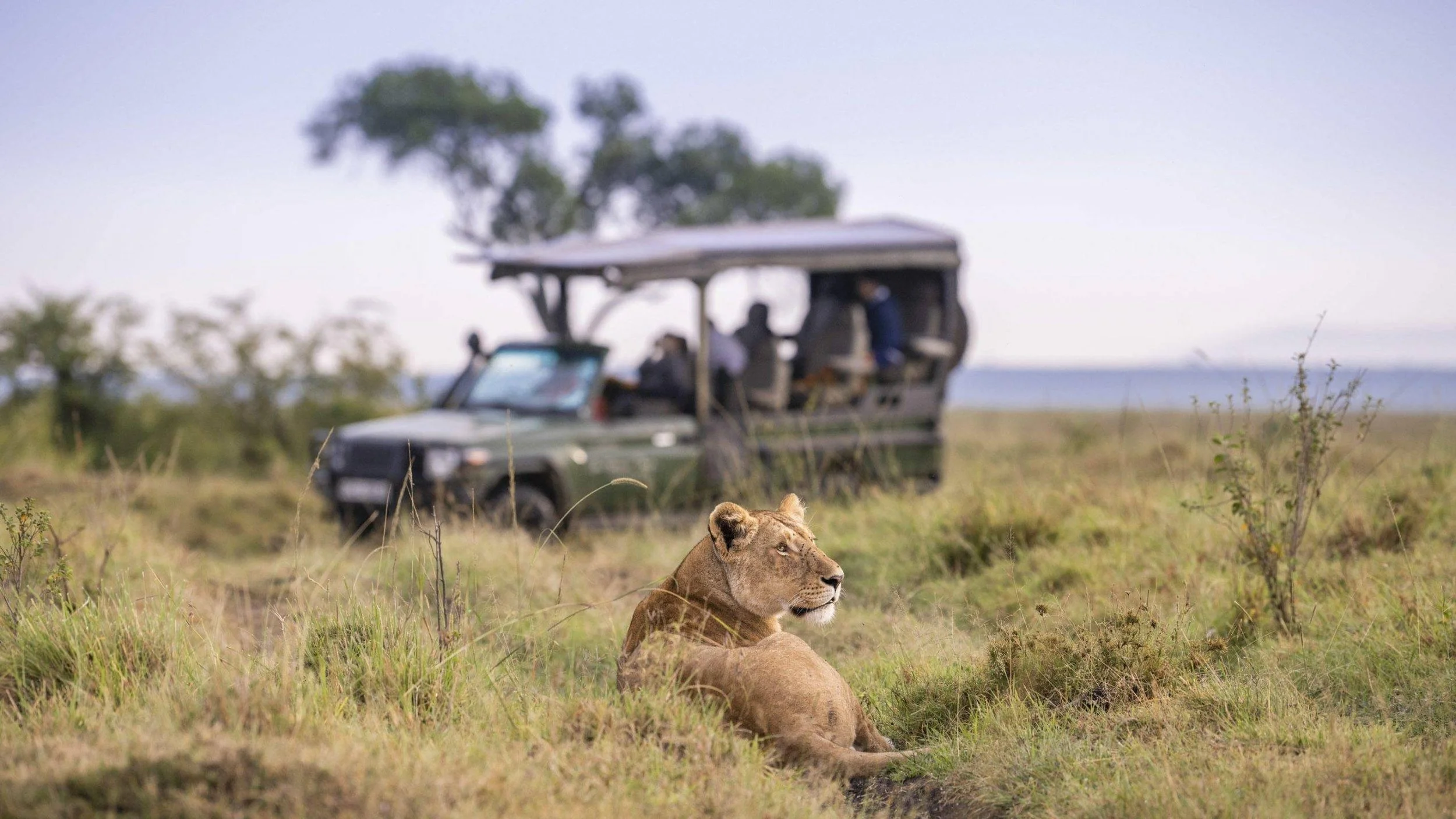
The Masai Mara is synonymous with the Great Migration, when vast herds cross open plains, though exceptional predator sightings make it compelling year-round. In Amboseli, elephants move across open wetlands beneath the dramatic silhouette of Mount Kilimanjaro. Tsavo East and West offer a more rugged scale — lava flows, red earth, and wide horizons — while Lake Nakuru is known for its strong rhino populations and prolific birdlife. In Laikipia’s private conservancies, conservation-led tourism supports rare species such as Grevy’s zebra and reticulated giraffe, with opportunities for walking safaris and more exclusive encounters.
Kenya’s strength lies not only in its wildlife density, but in the range of experiences — from vast migration spectacles to intimate conservancy stays — each offering a distinct perspective on East Africa’s wild landscapes.
-

Namibia
Few places in Africa feel as vast or as visually striking, where desert landscapes stretch uninterrupted to distant horizons.
Etosha National Park centres on a great salt pan fringed by waterholes that attract elephants, lions, and plains game in remarkable concentrations. In the northwest, Damaraland offers rugged terrain and rare desert-adapted elephants and black rhino moving through dry riverbeds beneath ochre mountains. The Namib-Naukluft region delivers some of the continent’s most iconic scenery — the towering red dunes of Sossusvlei and the stark white clay pans of Deadvlei.
Along the coast, Swakopmund adds a lighter contrast with ocean air and adventure activities, while the remote Skeleton Coast evokes true isolation with its windswept beaches and shipwreck remnants. Namibia rewards those who travel slowly, offering a safari experience shaped as much by landscape and atmosphere as by wildlife itself.
-
Rwanda
Compact and easily navigated, the country moves seamlessly from vibrant urban energy to mist-covered mountains and protected savanna.
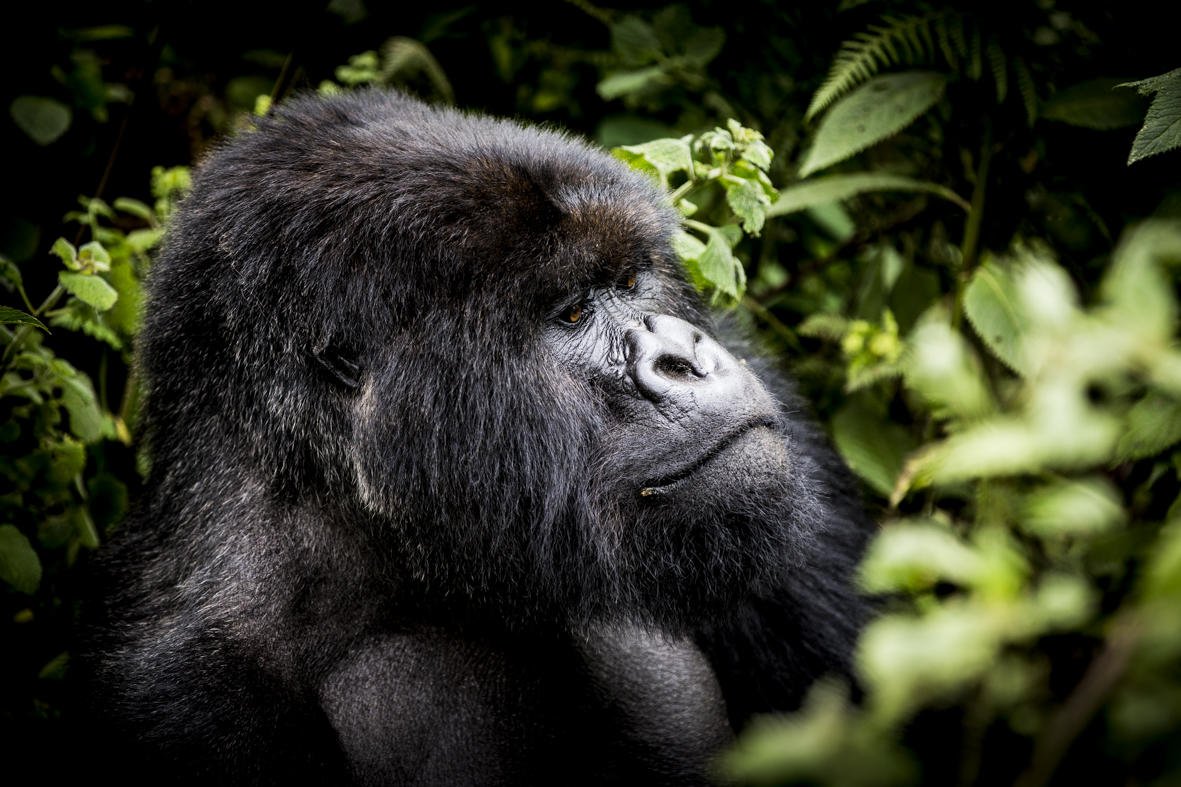
Kigali offers a thoughtful introduction, with its museums and memorials reflecting Rwanda’s resilience and renewal. In the east, Akagera National Park spans grasslands, lakes, and wetlands where elephants, plains game, and prolific birdlife thrive — a notable conservation success story. The northwest is home to Volcanoes National Park, where guided treks through bamboo forests lead to unforgettable encounters with mountain gorillas and golden monkeys. Further south, Nyungwe Forest presents a contrasting landscape of ancient rainforest, known for chimpanzee tracking, canopy walks, and exceptional birding.
Rwanda’s strength lies in its balance — intimate wildlife experiences combined with meaningful cultural perspective, all within a landscape that feels both dramatic and deeply restored.
-
South Africa
South Africa offers one of the continent’s most complete safari experiences.
Its landscapes range from subtropical bushveld to rugged mountains and sweeping coastlines — but it is the density and diversity of wildlife that truly define it.
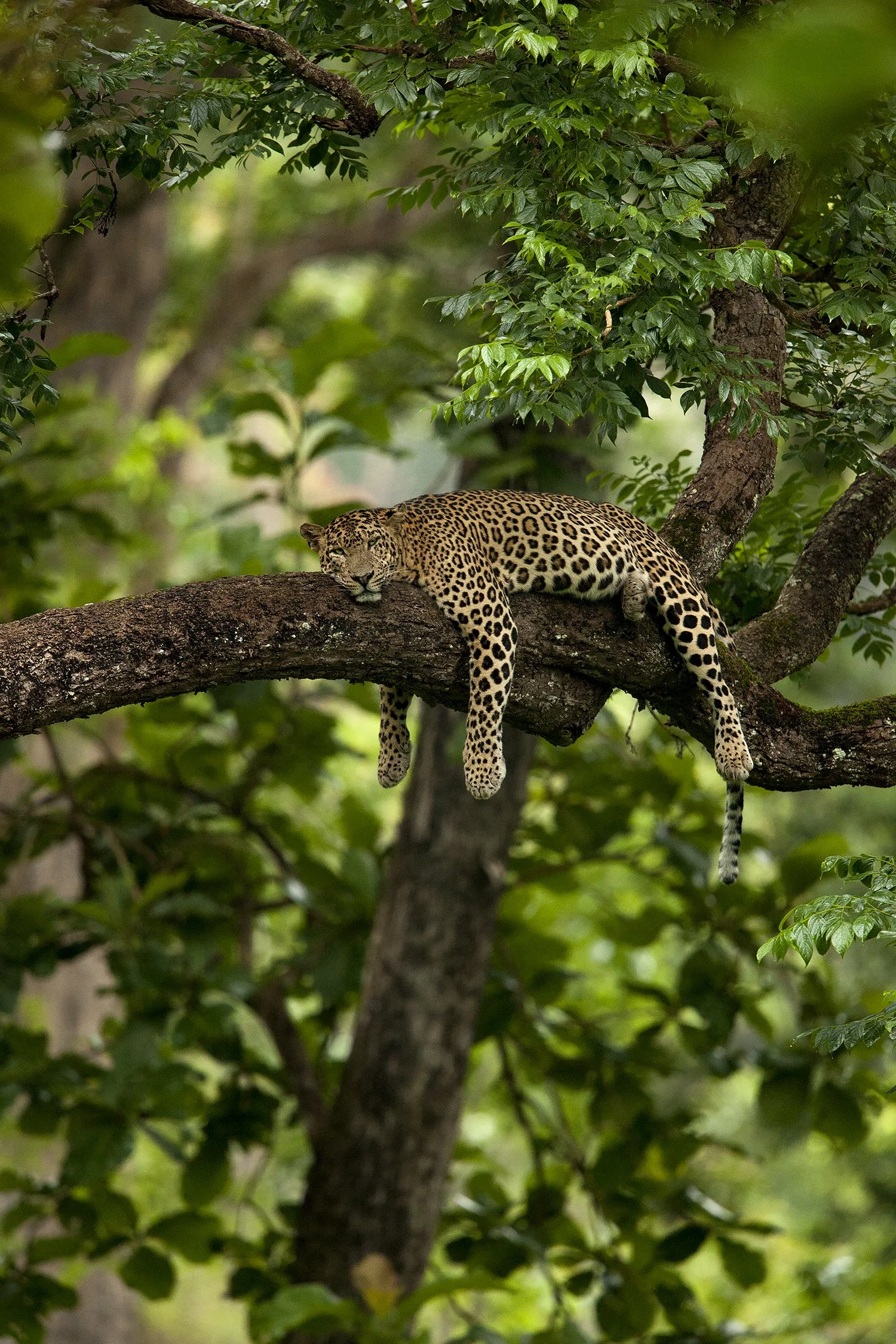
The Greater Kruger region anchors the country’s safari reputation, where expansive private reserves and national park wilderness support exceptional Big Five sightings, thriving predator populations, and year-round game viewing. Private concessions allow for more flexible exploration and a heightened sense of exclusivity. In the Eastern Cape, carefully restored reserves provide malaria-free safaris rich in conservation success stories, while the Waterberg’s dramatic terrain combines accessibility with strong wildlife encounters in a quieter setting.
South Africa’s strength lies in its variety — high wildlife concentrations, strong infrastructure, and the ability to pair safari effortlessly with coastal, winelands, or cultural extensions.
-
Tanzania
Tanzania embodies safari on a grand scale.
Vast plains, volcanic highlands, and remote river systems combine to create one of Africa’s most expansive wildlife landscapes.
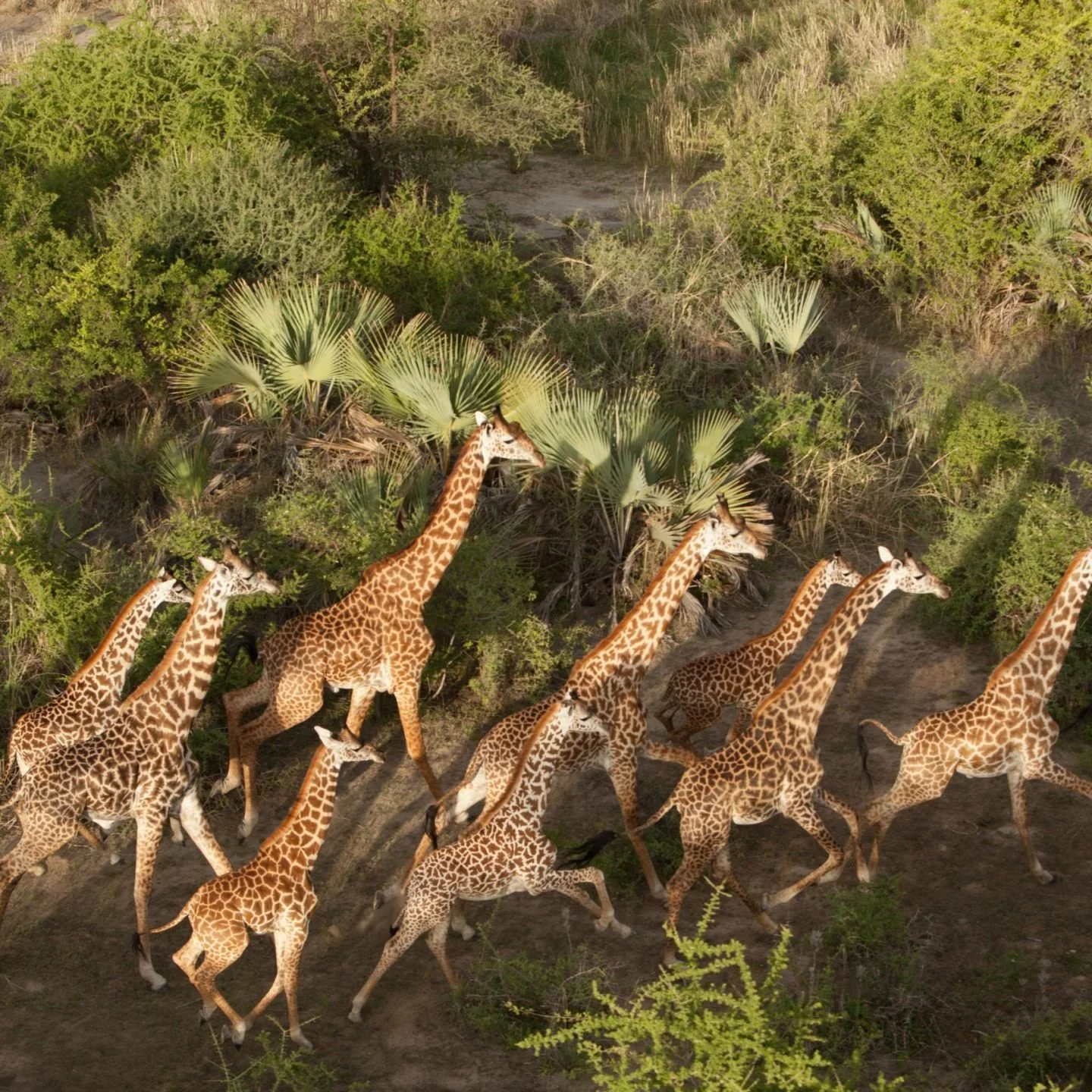
The Serengeti is its defining icon — home to the Great Migration and remarkable concentrations of predators and plains game across seemingly endless horizons. Nearby, the Ngorongoro Crater forms a natural amphitheatre where wildlife gathers in exceptional density within its volcanic walls. Lake Manyara offers a contrasting setting of forest and alkaline shoreline, known for abundant birdlife and elusive tree-climbing lions. For a quieter experience, Ruaha’s rugged terrain supports large elephant herds and strong predator activity, while Nyerere National Park (formerly Selous) introduces river-based safaris, walking experiences, and vast, lightly travelled wilderness.
Tanzania’s strength lies in its sense of scale — destinations that feel untamed, diverse, and deeply rooted in the rhythms of the wild.
-
Uganda
Uganda offers remarkable ecological diversity within a compact and rewarding journey.
From open savannas to dense equatorial forests, its landscapes support both classic big game and some of Africa’s richest primate habitats.
Queen Elizabeth National Park blends grasslands, crater lakes, and the Kazinga Channel, where boat safaris reveal hippos, elephants, and prolific birdlife along the shoreline. In the north, Murchison Falls National Park combines dramatic scenery with strong wildlife viewing, as the Nile surges through a narrow gorge before flowing into wide plains frequented by giraffe, buffalo, and predators. In the southwest, Bwindi Impenetrable Forest is renowned for intimate mountain gorilla encounters, while nearby Kibale Forest offers exceptional chimpanzee tracking within lush rainforest.
Uganda’s appeal lies in its variety — powerful river landscapes, immersive primate experiences, and exceptional birdlife — all woven into a safari that feels both adventurous and deeply rewarding.
-
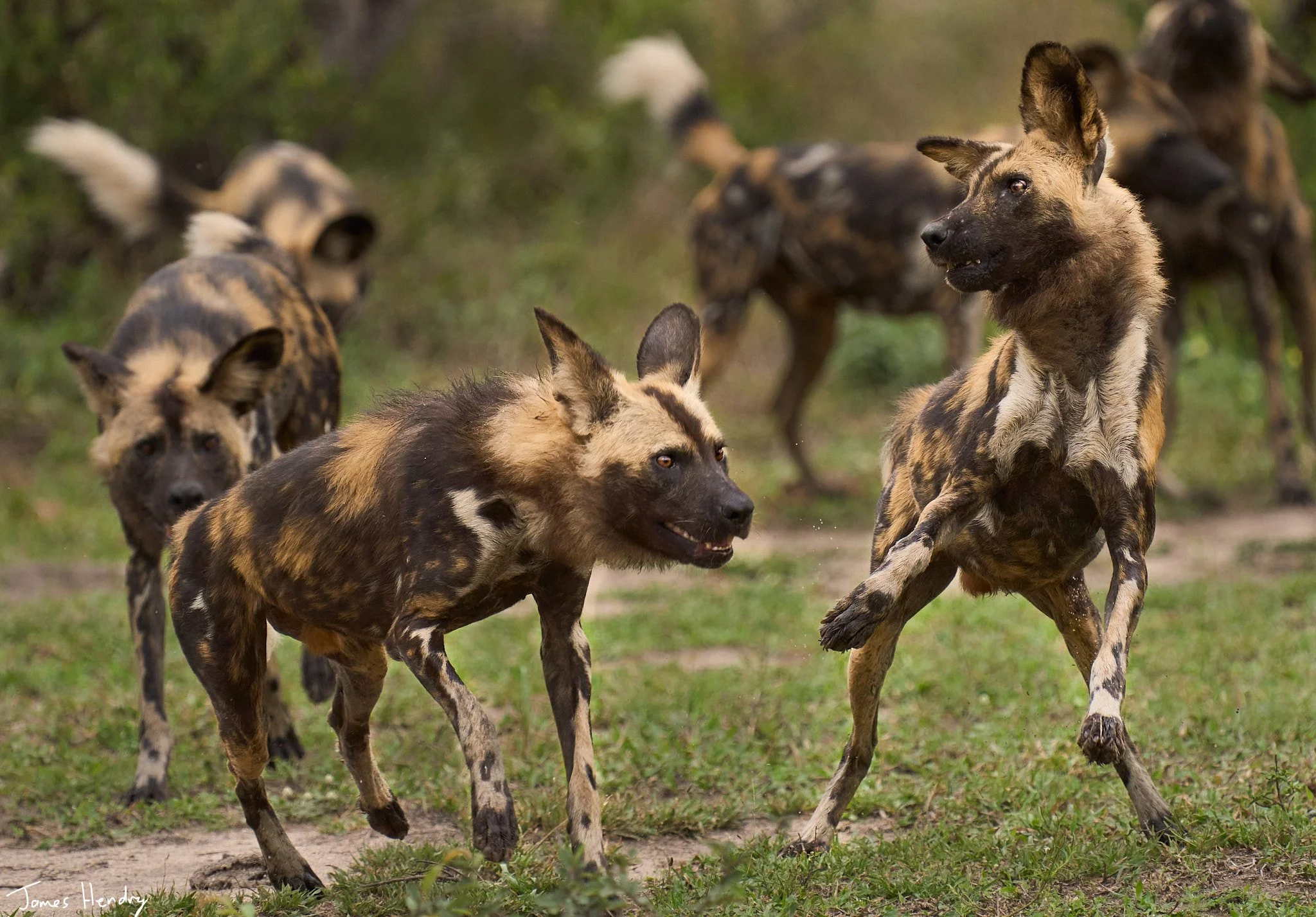
Zambia
Remote, immersive, and quietly authentic, this is safari at its most elemental.
Vast river systems and lightly travelled parks define the experience, where wildlife encounters often unfold on foot or by canoe rather than from behind a vehicle.
South Luangwa is renowned for pioneering the walking safari, offering close tracking experiences by day and exceptional leopard sightings after dark. Kafue’s diverse landscapes range from the Busanga floodplains — known for red lechwe, roan antelope, and predators — to expansive miombo woodland that feels truly untamed. Along the Lower Zambezi, canoe safaris glide past elephants feeding in ana-tree forests and crocodiles basking on sandy banks.
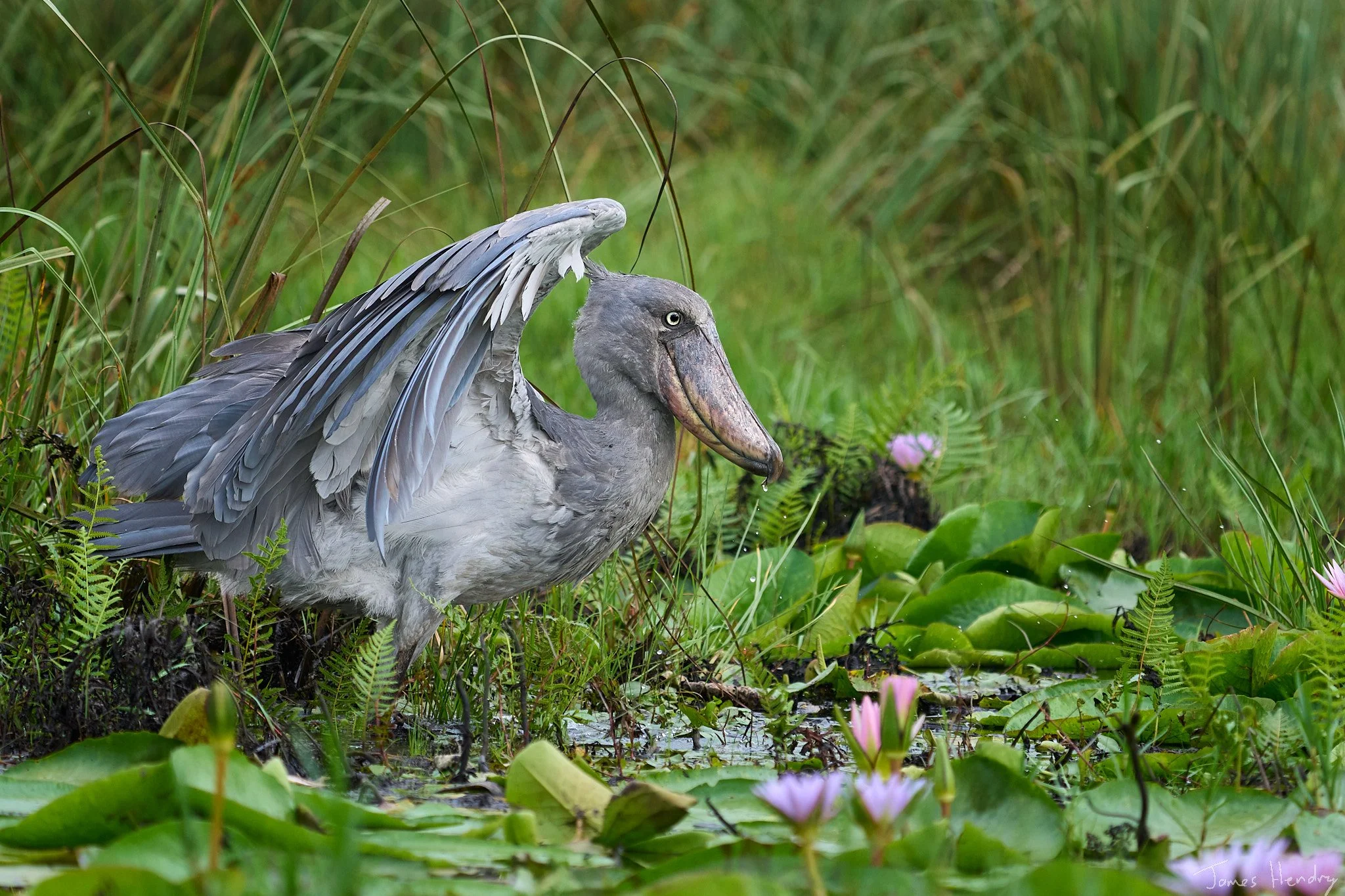
Seasonal highlights add further depth, from the vast fruit bat migration in Kasanka to the shoebill sightings and black lechwe of the Bangweulu Wetlands. Community conservancies and village partnerships provide meaningful cultural context, rounding out a safari that feels personal, wild, and deeply connected to its surroundings.
-
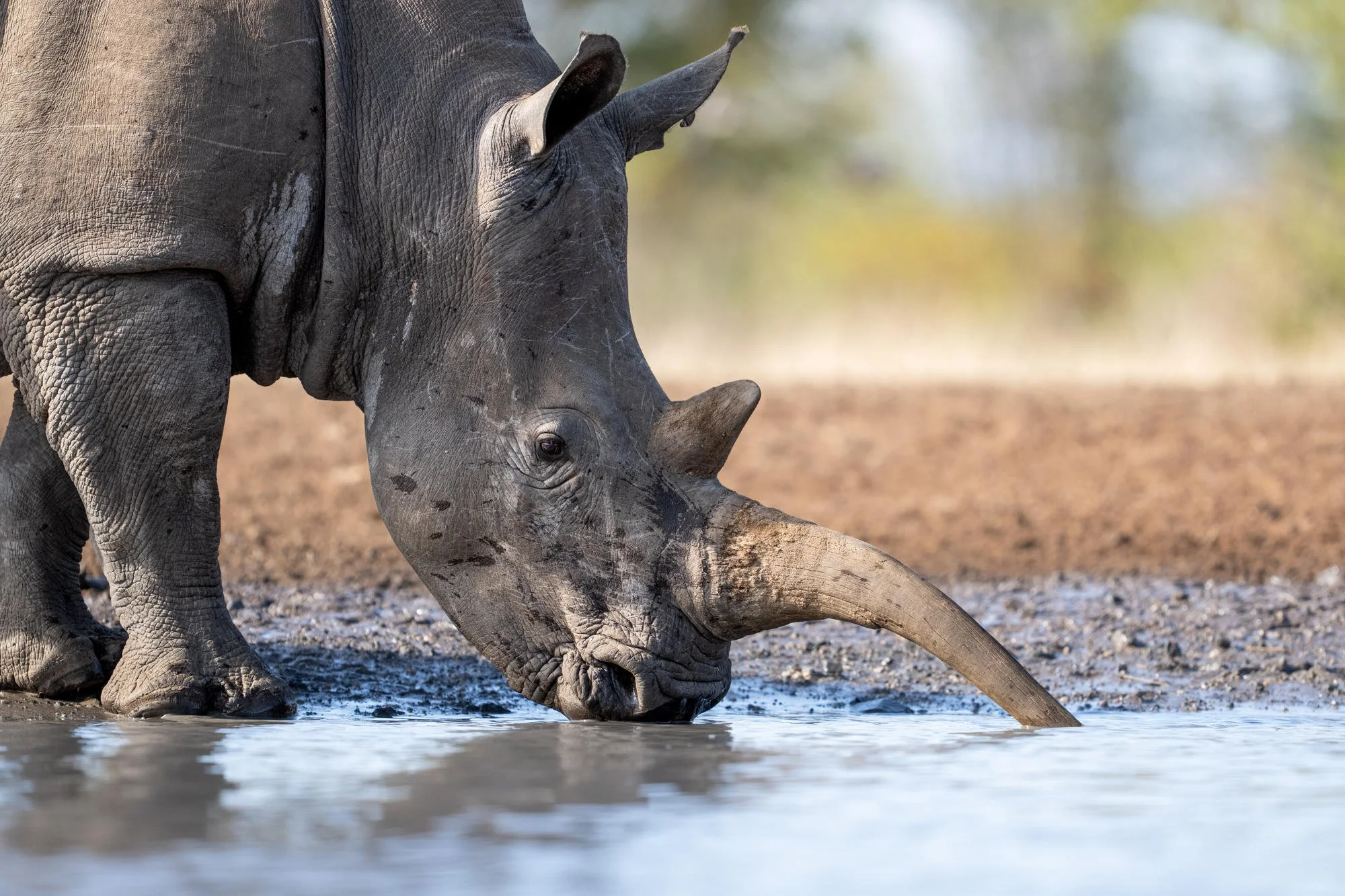
Zimbabwe
Few destinations combine dramatic scenery and exceptional wildlife as seamlessly.
From powerful river systems to expansive savannas, the country delivers a safari experience shaped by both landscape and legacy.
Hwange National Park anchors its wildlife reputation, with open plains and teak forests supporting vast elephant herds, large buffalo populations, and strong predator sightings around seasonal waterholes. Along the Zambezi River, Mana Pools offers a more immersive style of safari — walking, canoeing, and close wildlife encounters in one of Africa’s most atmospheric wilderness settings. Further south, the remote lowveld reserves, including Malilangwe and Gonarezhou, pair striking sandstone scenery and baobabs with a growing conservation focus and beautifully positioned lodges.
Beyond the savanna, the Eastern Highlands introduce cooler mountain landscapes, rewarding birdlife, and historic trails. The diversity of terrain — from riverine forest to open plains — gives this safari experience both depth and distinction.